
Is the NATO-USA Greenland Framework a Deal or a Distraction?
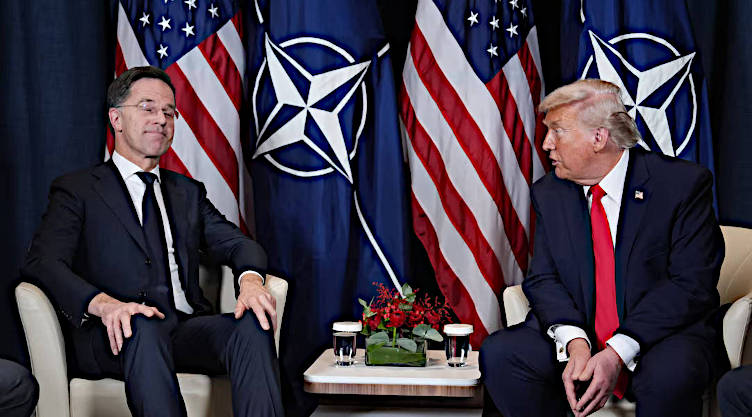
The Davos Handshake: Diplomacy or Distraction?
I have spent enough time in boardrooms from Warsaw to New York to know when a "framework" is a contract and when it is a distraction tactic. What we saw in Davos yesterday between President Trump and NATO Secretary General Mark Rutte was the latter. It was a strategic handshake designed to stop the bleeding in the bond markets, not a title deed for a continent.
Before we go further, we must be clear. No official text of this "Greenland Framework" has been published. We are analyzing a concept. We are reading the smoke, not the fire.
The Known Unknowns
From official statements and Davos whispers, the rumored "deal" contains:
- Tariff Withdrawal: Immediate cancellation of the 10% tariffs on European allies.
- The "Golden Dome" Integration: Using Greenland as a primary site for space-based missile defense.
- Sovereign Base Areas: Rumors of a "Cyprus-style" legal fix where the US gains territory-like control over military sites.
- Mineral Preferences: Exclusive US access to rare earth deposits.
The Scars of the Arctic
We cannot talk about Greenland without talking about the people who live there. Greenland is a nation that has spent the last century clawing back its dignity from Danish imperialism.
In late 2025, Denmark finally issued official apologies and reparations for the "Spiral Case" and the "Experiment Children." These were horrific social engineering projects that treated Greenlanders as subjects for study rather than citizens. To ignore this history—to treat Greenlanders like they are part of a real estate closing—is a moral and strategic error.
Their history will, off course, shape how Greenlanders react to the framework. They see a real risk in losing everything they've fought for, including self-determination and dignity.
The Aris Assessment: Is it a Good Deal?
On a surface level, the markets love it. Predictability is the mother of investment. By removing the tariff threat, Trump has preserved the "American Brand" as a rational actor for another quarter.
But as a long-term strategy? It is a house built on quicksand. A deal involving sovereign territory that lacks the signature of the sovereign—Denmark—and the consent of the people—Greenland—is not a deal. It is a racket. In the private sector, we call this "selling a bridge you don't own."
The "Sovereign Base" Fallacy
The rumors of a "Sovereign Base Area" (SBA) model are particularly alarming for anyone who respects the Rule of Law. In Cyprus, the UK maintains SBAs as a relic of decolonization. These are remnants of British territory where British law applies.
The current status of US bases in Greenland, like Pituffik (Thule), is governed by the 1951 and 2004 Defense Agreements. These are "Defense Areas." Denmark retains sovereignty but grants the US operational rights. Converting these into "Sovereign Base Areas" would mean carving Greenlandic soil out of the Kingdom of Denmark and placing it under the US flag.
To suggest Rutte can negotiate this transition is a legal absurdity. Sovereignty is the ultimate infrastructure. It cannot be "subleased" by a third-party alliance manager. If Denmark and the Greenlandic Parliament (Inatsisartut) are not the ones signing the deed, the document is legally void. This isn't diplomacy. It is a cloud of speculation designed to pacify a President who values land over law.
The Absurdity of the "Military Mineral" Trade
Perhaps the most cynical part of this framework is the inclusion of mineral rights. NATO is a security alliance, not a mining conglomerate.
Under the 2009 Greenland Self-Government Act, the people of Greenland assumed full control over their subsoil resources. They have a veto on all prospecting and extraction. The idea that a military alliance could trade Greenland’s rare earth minerals—essential for the global energy transition—as a chip to lower steel tariffs in Ohio is a breach of contract on a global scale. It treats a self-governing people as a line item in a defense budget. There is no precedent for a defense pact to act as a commodities broker. It is institutional overreach of the highest order.
The Return of the "Imperial CEO"
Trump views the world through the lens of a 19th-century tycoon. To him, Greenland is "Empire by Purchase." Rutte, meanwhile, is practicing the diplomacy of the "Small State Survivor." He is giving Trump a "concept" to play with, hoping the President gets bored before February 1 arrives.
This is a dangerous game. Dealing in "concepts" regarding other people's land devalues the very democracy we claim to defend.
But it might work. If Trump can be distracted long enough and lose interest through lengthy buerocratic procedures, his focus might drift elsewhere. This is likely the bet that Rutte is making.
The Bottom Line
This Davos Greenland "framework" is most likely a sophisticated stalling tactic by Mark Rutte to protect European markets from a volatile American presidency.
You cannot buy security on ground where you are not invited.